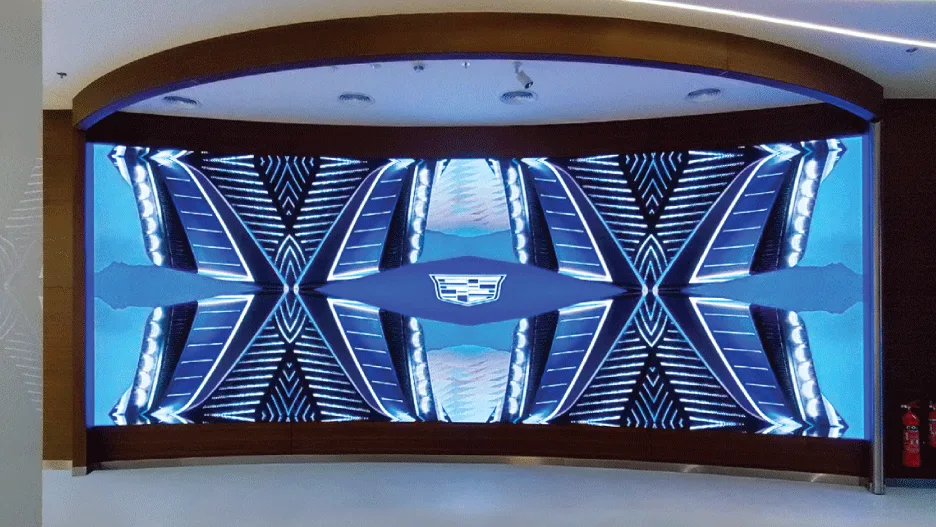
Outdoor LED screens in the UAE operate in conditions that push components harder than almost any other market: ambient temperatures regularly exceeding 45°C in summer, direct solar loading that can push internal cabinet temperatures significantly higher, fine airborne dust that infiltrates ventilation gaps, and long stretches with minimal rainfall to naturally clean exposed surfaces. Specifying for these conditions from day one is far cheaper than repairing premature failures later.
Thermal management: the single biggest factor in outdoor LED lifespan
LED modules, drivers, and power supplies all generate heat during operation, and in the UAE that heat has to dissipate against an already-hot ambient environment rather than into cool outside air. Key specification points:
- Active cooling for high-brightness cabinets: screens specified with high nit output for direct sun visibility generate more internal heat and often need fan-assisted or forced-air cooling rather than relying on passive heat sinks alone.
- Component derating: drivers and power supplies rated for standard climates may need to be operated below their maximum rated output in UAE conditions to avoid accelerated failure — check the manufacturer’s derating curve for high-ambient-temperature operation.
- Cabinet orientation and shading: where design allows, orienting or shading a screen to reduce direct west-facing afternoon sun exposure measurably reduces peak internal temperature.
IP rating and dust ingress
Outdoor LED cabinets should carry an IP rating appropriate to sustained sand and dust exposure, not just occasional rain — IP65 is a common minimum for outdoor-rated cabinets, protecting against both dust ingress and low-pressure water jets, though front-service cabinets with sealed modules are generally more dust-resistant over time than designs relying on ventilation slots. Fine UAE dust is small enough to work into poorly sealed cabinet joints and settle on internal components, which over time can affect both heat dissipation (dust insulates and traps heat) and electrical reliability.
Maintenance access: designed in, not added later
| Access type | Consideration for UAE outdoor screens |
|---|---|
| Front-service cabinets | Allow module replacement without rear access — useful where the screen is mounted flush against a facade with no rear clearance |
| Rear-service cabinets | Need maintained clearance space behind the screen, and are less practical on flush-mounted facade installations |
| Ground-level or low-mount screens | Higher dust settling exposure — factor more frequent cleaning into the maintenance schedule |
| High-mount or elevated screens | Lower dust settling but access requires lifts or scaffolding — plan maintenance windows accordingly |
Practical maintenance cadence for UAE outdoor screens
A reasonable baseline is a visual and functional inspection monthly, a more thorough cleaning and connection check quarterly, and a full internal inspection (dust removal, driver/power supply check, seal integrity) before and after the peak summer heat period. Screens in higher dust-exposure locations (near construction, unpaved areas, or major roads) typically need more frequent attention than this baseline.
For indoor retail screens with different specification priorities, see our guide on how to specify an indoor retail LED screen, and for the broader outdoor signage durability picture beyond digital screens, see our UAE outdoor signage heat, UV, wind and IP-rating checklist.
Frequently Asked Questions
What IP rating should an outdoor LED screen have in the UAE?
IP65 is a common practical minimum for outdoor cabinets, protecting against both dust ingress and water jets, with higher ratings sometimes specified for particularly exposed or coastal locations.
How much does UAE heat shorten LED screen lifespan?
Sustained high operating temperature accelerates component ageing and can meaningfully shorten lifespan compared with a temperate climate, which is why active cooling and component derating matter more here than in cooler markets.
How often should an outdoor LED screen be cleaned in the UAE?
Quarterly cleaning is a reasonable general baseline, increasing to monthly in high-dust locations such as near construction sites or unpaved surroundings.
Can indoor-rated LED screens be used outdoors if shaded?
This is generally not recommended — indoor-rated screens typically lack the sealing, brightness, and thermal management needed for outdoor exposure, even when shaded from direct sun.
Specify your outdoor LED screen for UAE conditions
Tell us your screen location, orientation, and exposure conditions and we’ll recommend the right IP rating, cooling approach, and maintenance plan. Contact us to specify an outdoor LED screen.
Recommended Posts
LED Signage Retrofit: Repair or Replace Your Lighting
Should you repair, retrofit or replace an illuminated sign? An unlit or uneven sign does not always need complete replacement. It may need a local rep...

Signage Vendor Checklist for Architects and Consultants
A signage vendor checklist for architects and consultants Selecting a signage vendor requires more than comparing a finished photograph and a lump-sum...