
LED Video Wall Pixel Pitch Guide for UAE Venues
Pixel pitch is the distance between LED clusters on a display, measured in millimetres, and it is the single most important spec for choosing the right LED video wall for a venue. This guide explains how to match pixel pitch to viewing distance, brightness and environment for commercial installations in the UAE.
Pixel pitch and viewing distance
The general rule is that minimum comfortable viewing distance in metres is roughly the pixel pitch in millimetres. A P2.5 screen (2.5mm pitch) is comfortable from about 2.5 metres and closer, which suits lobbies, retail counters and close-up brand walls. A P6-P10 outdoor screen is designed to be viewed from 6-10 metres or more, which suits building facades, stadium screens and roadside billboards. Selecting too fine a pitch for a long-viewing-distance application adds cost without a visible benefit; selecting too coarse a pitch for a close-up application makes individual pixels visible and looks unfinished.
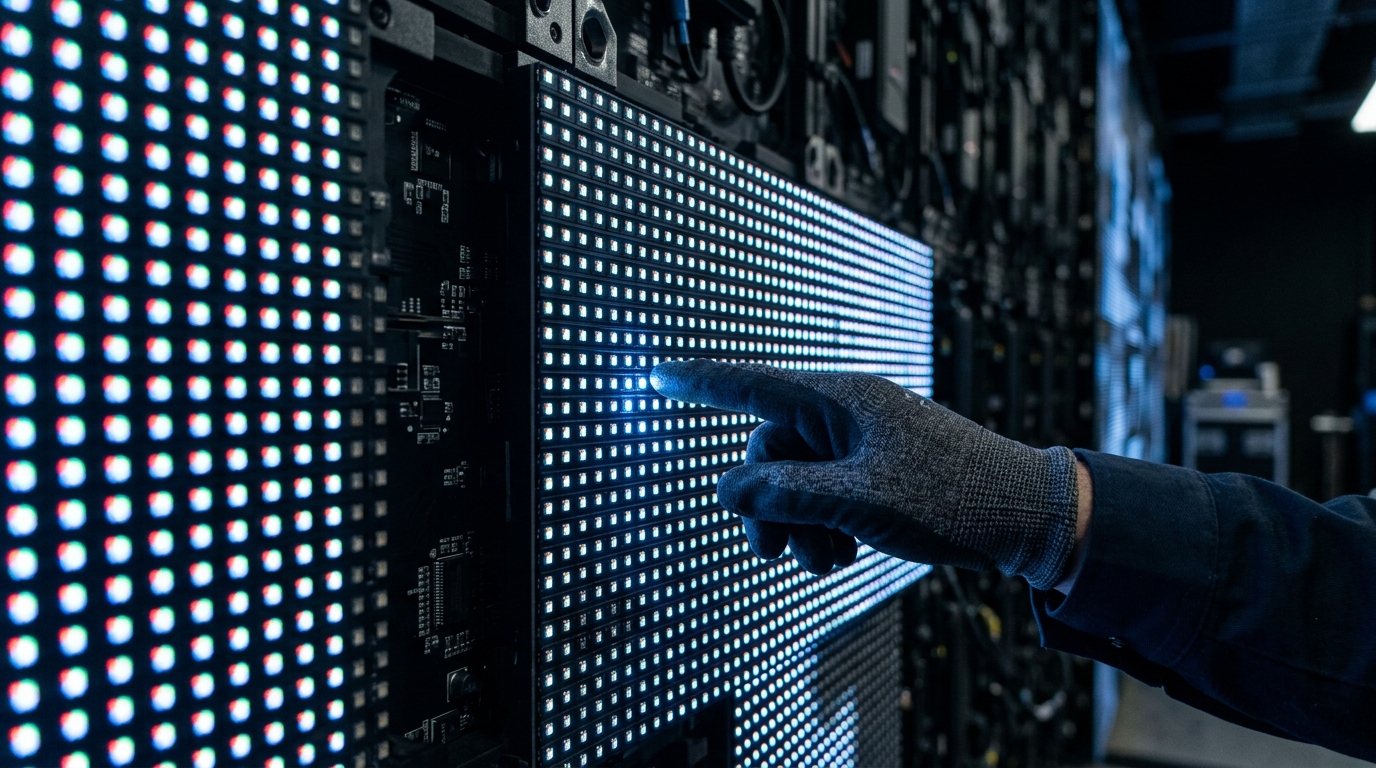
Indoor vs outdoor selection factors
- Brightness: indoor screens typically run 600-1,500 nits; outdoor screens for UAE daylight and sun exposure need substantially higher brightness and weatherproof (IP65+) housings
- Viewing distance and audience: close-up retail and lobby walls favour finer pitch (P1.2-P3); mall atriums and large venue walls favour mid-range pitch (P3-P6); facades and billboards favour coarser pitch (P6-P10+)
- Content type: fine detail, text and close-up branding need finer pitch; large-format video and motion content at distance tolerates coarser pitch
- Structure and access: outdoor and large-format walls need engineered support structures and rear or front service access for maintenance
- Control system: content management, scheduling and remote monitoring requirements affect the processor and CMS specified alongside the display
What Metroplus specifies for each project
Every LED video wall project is specified against the actual venue: viewing distance, ambient light, available structure and content plan, rather than a single default pitch. See LED Video Walls & Digital Screens for indoor and outdoor display integration, and our project gallery for completed LED installations.
Get a pixel pitch recommendation
Share your venue dimensions, typical viewing distance and content plan and our team will recommend a pixel pitch, brightness and structure suited to the space. Contact us to start a quote.
Pixel Pitch Reference Table
| Pixel pitch | Minimum comfortable viewing distance | Typical UAE application |
|---|---|---|
| P1.2 – P1.5 | 1.2 – 1.5m | Control rooms, close-up broadcast studio walls, luxury retail counters |
| P1.8 – P2.5 | 1.8 – 2.5m | Retail storefront walls, hotel lobbies, reception feature walls |
| P3 – P4 | 3 – 4m | Mall atriums, conference and event venue walls, showroom displays |
| P6 – P8 | 6 – 8m | Large indoor venue screens, exhibition hall walls, stadium concourse displays |
| P10 and above | 10m+ | Building facades, outdoor billboards, stadium perimeter and scoreboard screens |
Total Cost of Ownership Considerations
Pixel pitch drives more than the initial hardware price. Finer pitch panels contain proportionally more LEDs and driver ICs per square metre, which increases both purchase cost and power draw compared with a coarser pitch panel of the same physical size. Outdoor panels add further cost through weatherproof housings, higher-brightness LED packages to remain visible in daylight, and more robust structural mounting to handle wind loading. Over the display’s operating life, ongoing costs to budget for include: power consumption (higher for brighter, finer-pitch panels), content management software or licensing, periodic panel or module replacement as LEDs age and brightness degrades, and scheduled cleaning, particularly for outdoor units exposed to dust. Specifying a pitch matched to actual viewing distance, rather than defaulting to the finest available, keeps both upfront and running costs proportionate to the venue’s real requirement.
Brightness and Viewing Environment
Brightness (measured in nits) has to be matched to the ambient light the screen competes against, not just to pixel pitch. A screen that looks bright indoors under typical lobby lighting can appear washed out in direct UAE sunlight. As a general guide: indoor screens away from direct sunlight perform well at 600-1,200 nits; indoor spaces with significant natural light or glass frontage need 1,200-2,500 nits; and outdoor screens exposed to direct UAE daylight typically need 4,000-6,000 nits or more to remain clearly legible. Getting this wrong in either direction either wastes budget on unnecessary brightness or delivers a screen that is difficult to see at the times it matters most.
Frequently Asked Questions
What pixel pitch is right for a retail storefront window facing a street?
For typical pedestrian viewing distances of 2-4 metres, a P2.5-P4 pitch is generally appropriate, balancing image clarity with cost. Direct sunlight exposure also means brightness needs to be specified higher than for an equivalent indoor screen.
Can an LED video wall be viewed clearly in direct UAE sunlight?
Yes, provided it is specified with adequate outdoor brightness (typically 4,000+ nits), an anti-glare surface treatment where relevant, and weatherproof housing rated for UAE heat and dust exposure.
How long do LED video wall panels typically last before needing replacement?
Quality LED panels are typically rated for 60,000-100,000 hours of operation before brightness degrades significantly, which translates to roughly 7-10+ years of typical commercial use, though outdoor units in constant high-heat exposure may see a shorter practical service life.
Does a finer pixel pitch always produce a better result?
No. Beyond the point where individual pixels are no longer visible at the intended viewing distance, a finer pitch adds cost and power consumption without a visible improvement in image quality, which is why matching pitch to actual viewing distance matters more than choosing the finest pitch available.
Recommended Posts
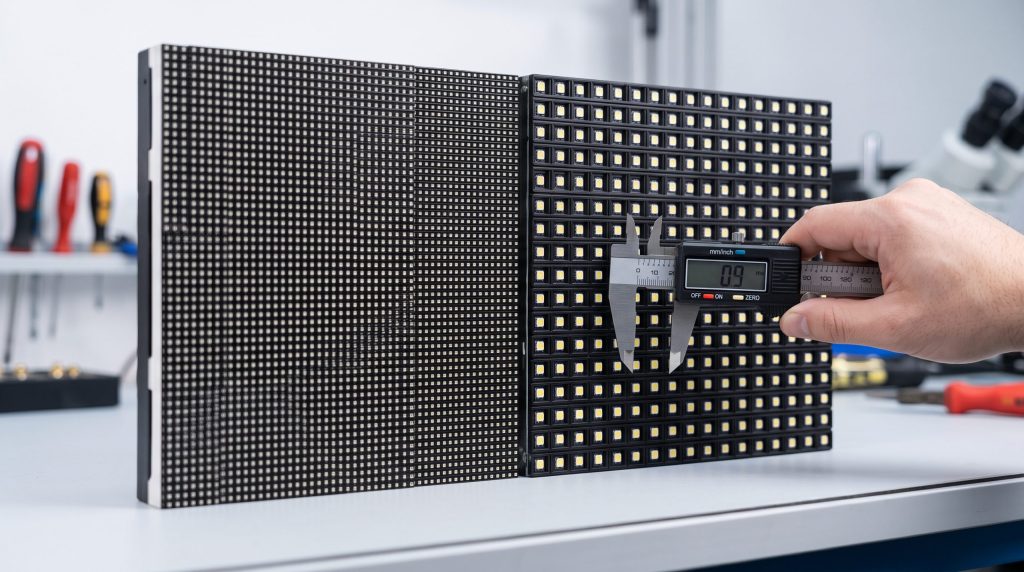
Choosing the Right LED Pixel Pitch for Your Application
Pixel pitch is only half the specification problem. The harder question most buyers actually face is which application they’re solving for — a...
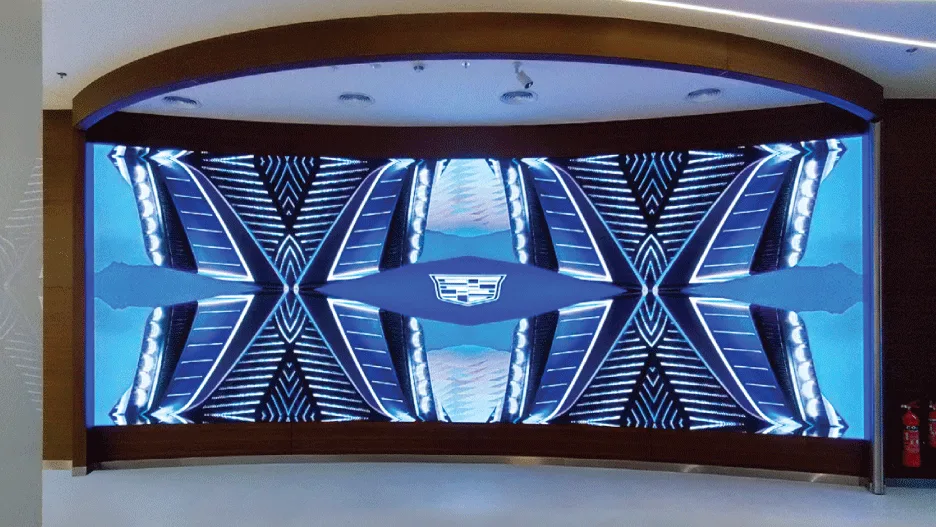
Outdoor LED Screens in UAE Heat and Dust
Outdoor LED screens in the UAE operate in conditions that push components harder than almost any other market: ambient temperatures regularly exceedin...