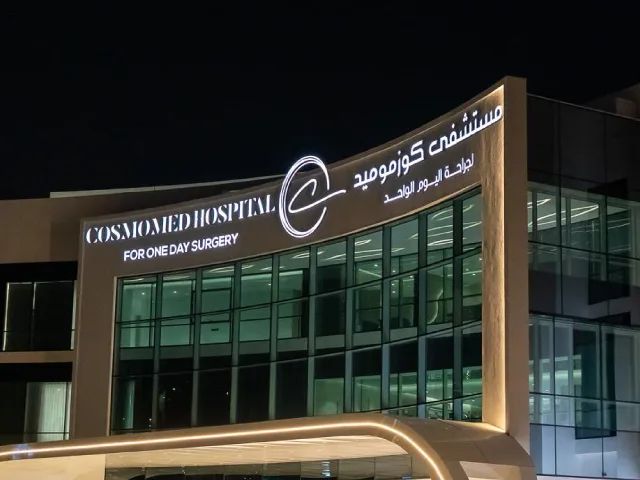
If you’re planning an LED signage project in Dubai, one of the first questions is almost always about cost. There’s no single price that applies to every project, because LED signage covers a wide range of products, from a small illuminated logo to a full building-scale digital display. What follows are the real factors that determine what a project will cost, so you know what to ask for and what to expect when you request a quote.
The single biggest driver of cost is physical size. LED products are typically priced per square metre or per panel, so a compact reception sign will cost a fraction of a large-format outdoor LED billboard or a video wall spanning an entire lobby wall. Before requesting a quote, it helps to have a rough sense of the dimensions or the wall/space you’re working with.
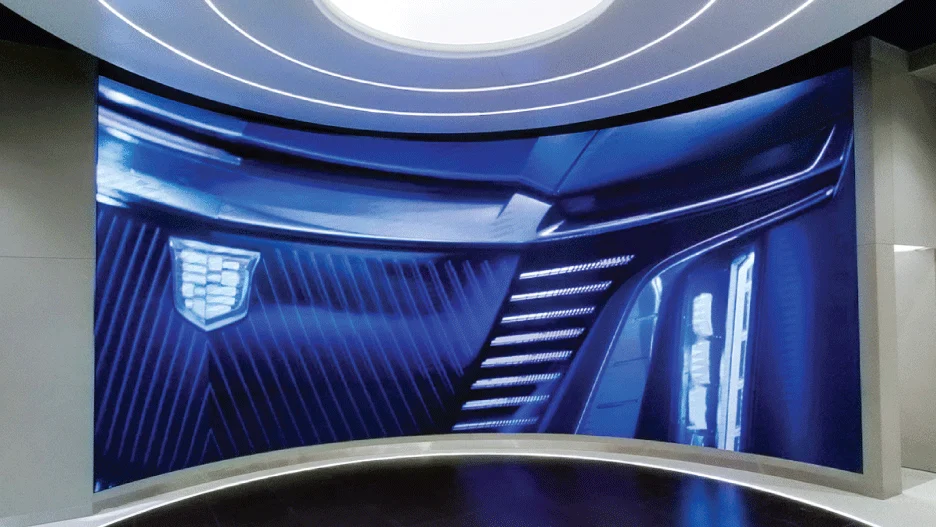
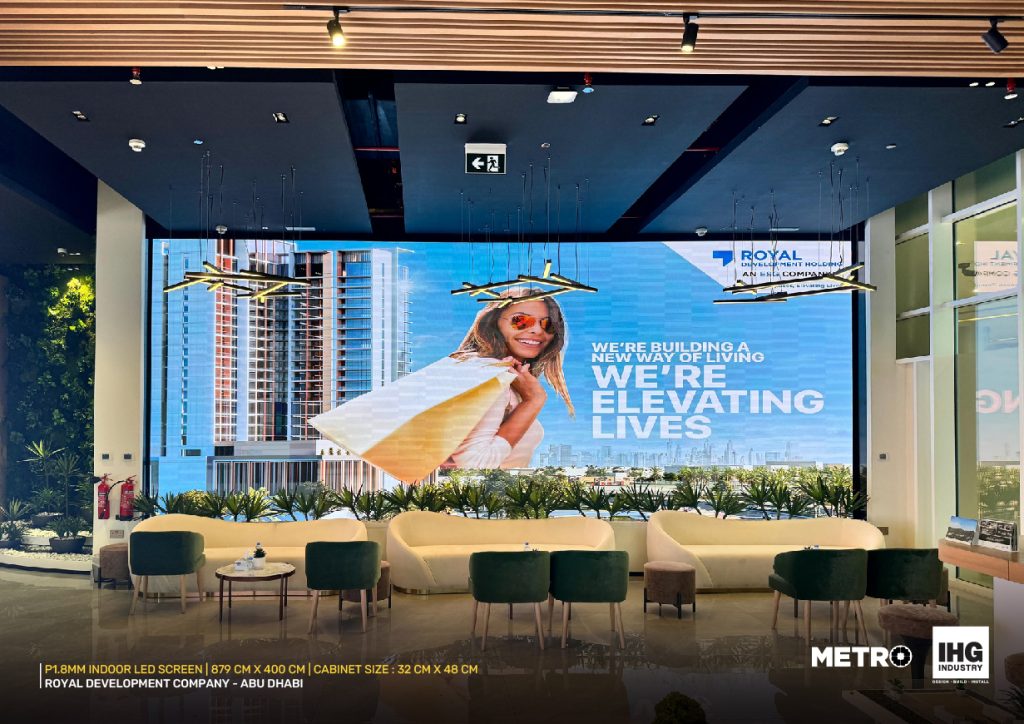
Not all “LED signage” is the same. A static illuminated logo using LED backlighting is a very different product from a full-motion LED video wall or digital screen. Video walls and digital displays involve pixel pitch (the density of LEDs, which affects resolution and viewing distance), driver electronics, and content management systems — all of which add cost compared to simple illuminated lettering.
The structure that houses or supports the LED components matters too. Common materials include aluminum, acrylic, stainless steel, and ACP (aluminum composite panel), each with different costs and suitability depending on whether the sign is indoor or outdoor, and how it needs to be finished (painted, powder-coated, or polished).
A ground-level indoor sign is straightforward to install. A pylon sign, a rooftop-mounted display, or a facade-level installation on a high-rise building requires scaffolding, cranes, or specialist access equipment, and often out-of-hours work to avoid disrupting a live business. All of this affects the final installed cost, not just the manufacturing cost.
Signage in Dubai and across the UAE generally requires approval from the relevant municipal authority or, for buildings within a free zone or mall, the landlord or facilities management team. Permit requirements vary by emirate, building type, and sign size — outdoor and illuminated signage in particular tends to need sign-off before installation. Factoring in permit lead time and any associated fees is worth doing early in your planning.
If your project includes a digital screen or video wall rather than static illuminated signage, you’ll also need to budget for content management software, which lets you update what’s displayed remotely. Some projects also require custom content creation for the screens themselves.
LED signage is generally low-maintenance, but outdoor installations exposed to Dubai’s heat, sun, and occasional sandstorms benefit from periodic checks, especially for larger digital displays with more components. It’s worth asking your signage provider what maintenance, if any, is recommended and whether a warranty is included.
Because so much depends on the specifics of your project, the only reliable way to get an accurate cost is a proper site assessment and a detailed quote — general price lists rarely reflect what a real installation actually costs once size, access, and permits are factored in. If you’re exploring options, our LED video walls and digital screens, illuminated logo signage, and outdoor LED billboard pages go into more detail on each product type, or you can request a quote directly and we’ll walk you through the real cost drivers for your specific project.
Yes. LED modules use significantly less power than neon or fluorescent tubes for the same brightness, and LEDs last far longer before needing replacement, which lowers both electricity and maintenance costs over the sign’s lifetime.
It varies widely with size, letter style and finish, but most small illuminated shopfront signs (acrylic face-lit or backlit letters) fall in the low-to-mid thousands of AED. A detailed quote depends on dimensions, mounting height and access at your specific unit.
Yes, significantly. A tighter pixel pitch packs more LEDs into the same area for a sharper image at close viewing distances, which increases both the module cost and the total price per square metre compared to a wider pitch built for distant viewing.
Not automatically. Permit and approval costs (municipality, RTA, developer or DEWA NOC where applicable) are usually itemised separately from fabrication and installation, since requirements vary by emirate, location and sign type.
Most illuminated signage benefits from a check at least once or twice a year to catch failing modules, water ingress or power supply issues early. Reactive repairs cost more than a scheduled inspection, so an AMC (annual maintenance contract) is usually the more economical option over time.
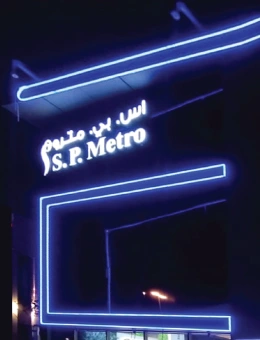
How Metroplus approaches sustainable signage in Dubai: LED energy efficiency, recyclable aluminum and acrylic materials, waste-reducing CNC fabricatio...
Choosing a signage company in the UAE means comparing dozens of fabricators, suppliers, and neon specialists who all promise the same things: quality,...