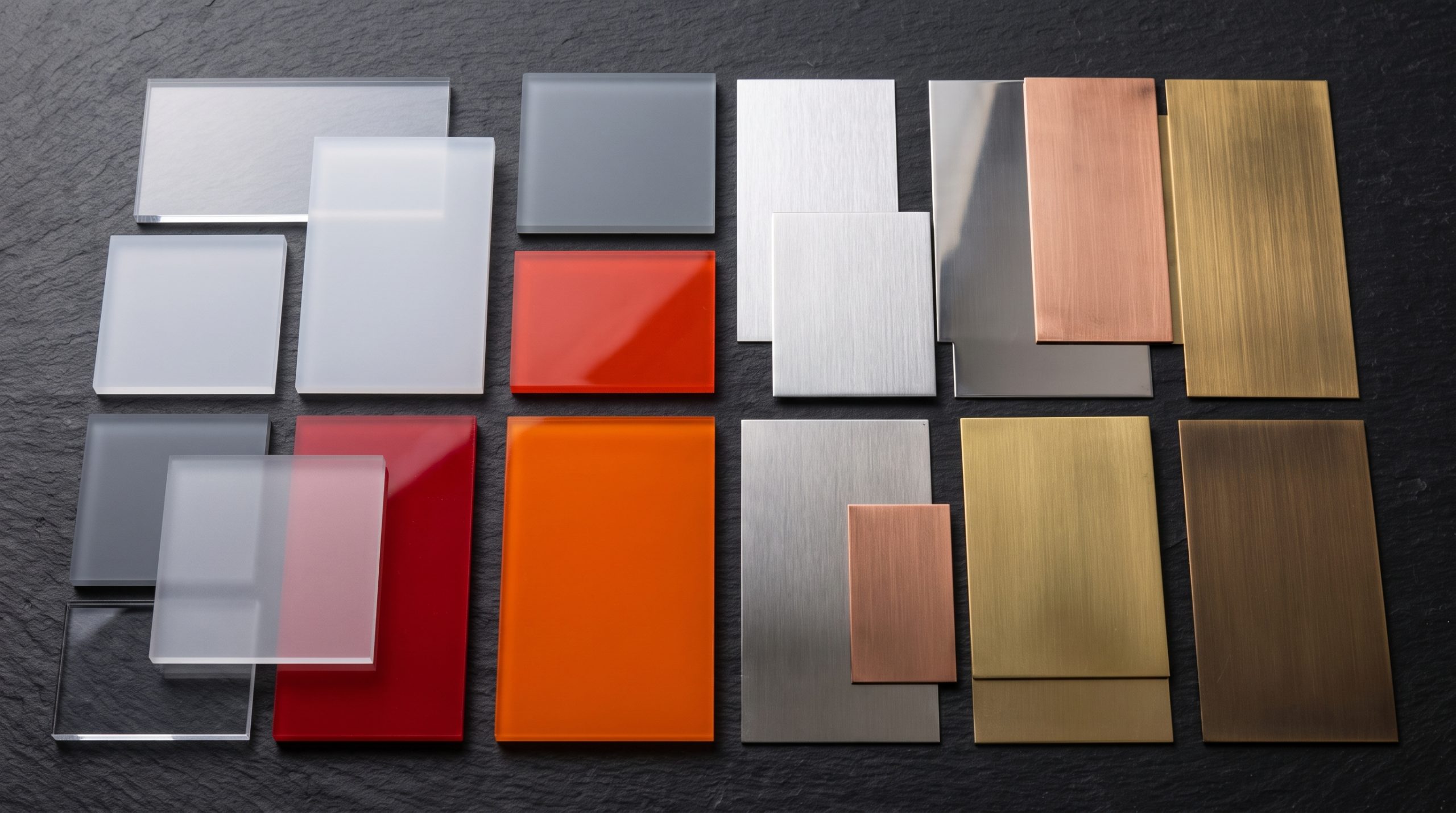
Interior signage in malls, hospitals, hotels and commercial towers is increasingly specified against fire and life-safety codes, not just brand and design guidelines. Following high-profile facade fire incidents in the UAE over the past decade, civil defence authorities and master developers have tightened requirements around combustible materials in interior and exterior building elements, and signage is squarely inside that scope. Here’s what specifiers need to know.
Why Fire Rating Matters for Signage
Signage is often mounted on escape routes, above fire doors, along corridors and in atriums — exactly the locations where material combustibility and smoke generation matter most in an emergency. A sign built from standard PVC, foam board or PE-core ACP can contribute fuel load and, more dangerously, generate dense black smoke that reduces visibility and breathable air during evacuation. Low-smoke, fire-rated alternatives address both the fuel and smoke-toxicity risks.
Common Fire-Rated Material Options
- FR / A2 mineral-core ACP: Aluminium composite panel with a fire-retardant or mineral (non-combustible) core rather than standard polyethylene, now the expected standard for facade and often interior cladding on UAE developments.
- Fire-rated acrylic and polycarbonate: Modified-formulation sheet materials that meet flame-spread and self-extinguishing requirements for illuminated signage faces, used where standard acrylic would not pass code.
- Aluminium and metal substrates: Non-combustible by nature, commonly used for sign cabinets, dimensional lettering bodies and structural mounting in fire-sensitive zones.
- Low-smoke PVC alternatives: Where flexible or printed graphic materials are still required, low-smoke, zero-halogen (LSZH) rated films and substrates reduce toxic smoke generation compared with standard PVC.
- Fire-rated foam and honeycomb panels: Lightweight interior sign panels manufactured to meet Class B or equivalent flame-spread ratings for use on escape routes and public corridors.
Where This Applies Most
| Setting | Typical Requirement |
|---|---|
| Shopping malls | Fire-rated signage on escape routes, atriums and above fire-rated doors; developer-mandated material certificates |
| Hospitals and healthcare | Strict low-smoke/low-toxicity requirements given occupant mobility constraints during evacuation |
| Hotels | Fire-rated signage in corridors, back-of-house and near kitchens/plant rooms, often tied to civil defence approval of the base building |
| High-rise commercial towers | Facade and lobby signage generally required to match the building’s certified facade fire-rating standard |
Documentation and Approvals
Specifying the right material is only half the job — UAE civil defence and developer approval processes typically require material test certificates (such as EN 13501-1 or equivalent fire classification reports) submitted alongside shop drawings before installation is approved. Signage suppliers should be able to provide traceable certification for the specific material batch used, not just a generic manufacturer datasheet, particularly for large mall and hospitality rollouts where the landlord’s fire consultant reviews submissions.
Cost and Design Trade-offs
Fire-rated materials typically carry a moderate cost premium over standard equivalents, and some fire-rated acrylics and panels have a slightly more limited colour or finish range than their standard counterparts. In practice this rarely limits design intent meaningfully, and the cost difference is minor relative to the liability and approval risk of specifying non-compliant material on a life-safety-relevant surface.
Frequently Asked Questions
Is fire-rated ACP required for all interior signage in the UAE?
Requirements vary by building, authority and use, but most malls, hospitals, hotels and high-rise towers now require fire-rated or non-combustible materials for signage on escape routes and public areas as standard practice.
What’s the difference between fire-rated and low-smoke materials?
Fire-rated materials resist ignition and limit flame spread; low-smoke materials specifically limit the volume and toxicity of smoke generated if the material does burn. Life-safety specifications often require both properties together.
Does fire-rated material cost significantly more?
There is typically a moderate premium over standard material, but it is a small fraction of total signage project cost and is usually non-negotiable for code compliance in commercial and hospitality settings.
Who checks fire-rating compliance on a signage project?
Typically the building’s appointed fire and life-safety consultant, alongside civil defence approval processes, reviewing material certificates submitted with shop drawings.
Specifying signage for a mall, hospital, hotel or commercial tower project? Contact Metroplus for fire-rated material options and certification support for your submission.
Recommended Posts
LED Signage Retrofit: Repair or Replace Your Lighting
Should you repair, retrofit or replace an illuminated sign? An unlit or uneven sign does not always need complete replacement. It may need a local rep...

Signage Vendor Checklist for Architects and Consultants
A signage vendor checklist for architects and consultants Selecting a signage vendor requires more than comparing a finished photograph and a lump-sum...