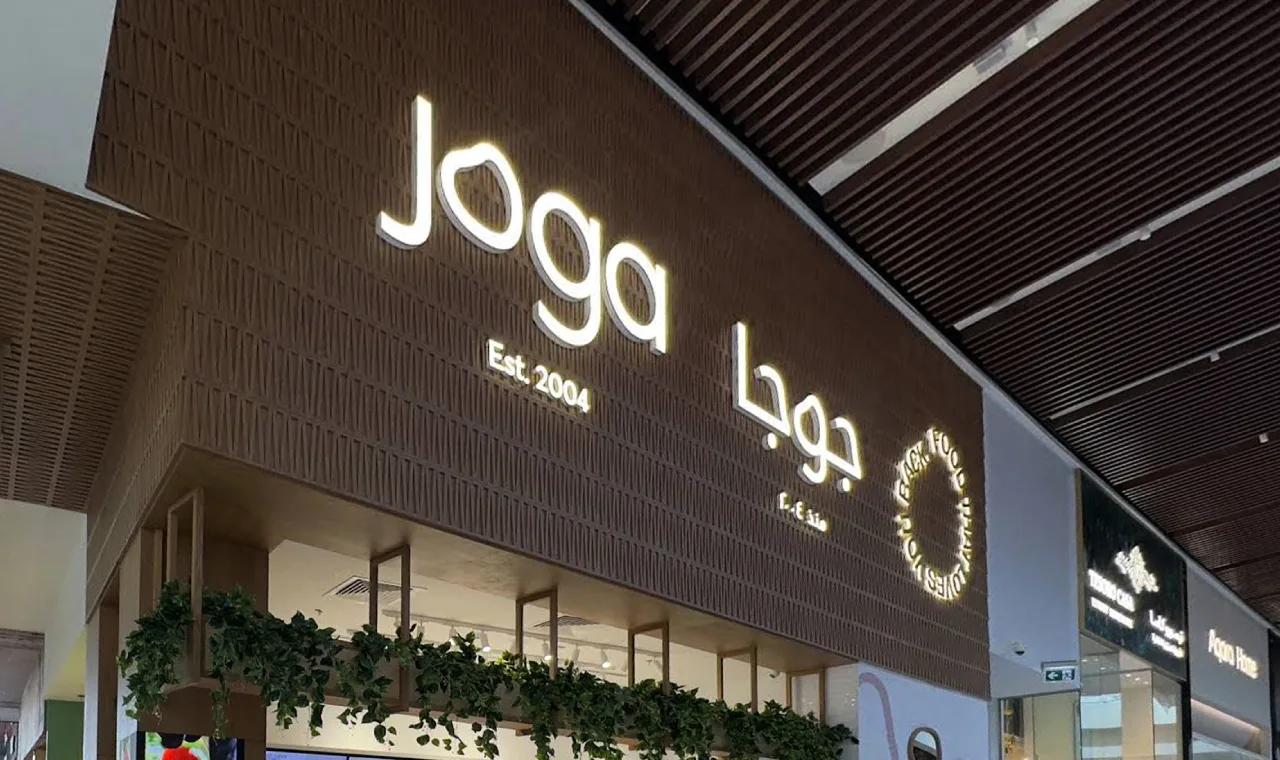
CNC (computer numerical control) routing has become the standard fabrication method for decorative architectural panels, dimensional signage lettering, and perforated screens, because it delivers repeatable precision at a scale manual cutting cannot match. This is a practical look at how the process works, what materials it handles well, and the tolerances that matter for architectural-grade output.
How CNC routing works
A CNC router follows a digital toolpath, generated from a CAD/CAM file, to guide a rotating cutting bit through a sheet of material along the X, Y and (for 3D relief work) Z axes. Unlike a laser, which cuts by burning or vaporising material, a router physically removes material mechanically, which makes it the practical choice for thicker sheet stock and materials that don’t cut cleanly with a laser, such as most metals and thicker composites.
Materials commonly CNC routed for architectural work
| Material | Typical architectural use | Notes |
|---|---|---|
| Aluminium composite panel (ACP) | Facade cladding, decorative screens, signage backing | Routs cleanly; common for large perforated screen panels |
| Solid aluminium sheet | Dimensional lettering, structural screen frames | Requires appropriate bit speed/feed to avoid heat build-up and burring |
| Stainless steel (thinner gauges) | Premium architectural lettering, high-durability screens | Slower feed rates, specific carbide or coated bits required |
| HDPE and acrylic | Signage lettering, indoor decorative panels | Good machinability, risk of melting if feed rate/speed isn’t matched to material |
| MDF and timber composites | Interior decorative screens, mock-ups and prototypes | Fast to machine, generally not suited to exterior exposure without protective finish |
Precision and tolerance considerations
Achievable tolerance depends on the machine’s mechanical rigidity, the material being cut, and the toolpath strategy, but well-maintained architectural CNC routers commonly hold tolerances in the range of ±0.1–0.2mm on flat 2D cutting. Several factors affect real-world precision on a finished architectural piece:
- Bit wear — a dulling cutting bit gradually loses accuracy and finish quality; production runs should track bit life against material hardness
- Material fixturing — thin or large sheets need adequate clamping/vacuum bed hold-down to prevent movement during cutting, which otherwise introduces dimensional error
- Heat build-up in metal cutting — excessive heat can warp thin aluminium or discolour stainless steel; feed and speed rates are tuned per material and thickness
- Panel-to-panel consistency — for a repeating decorative screen pattern across many panels, the toolpath and material batch consistency both need to be controlled to avoid visible variation once installed
Design considerations for decorative and perforated screens
Perforation pattern density directly affects both the visual/light-filtering effect and the panel’s structural rigidity — a highly open pattern looks lighter but reduces the panel’s stiffness, which may require a thicker gauge or additional stiffening frame. Minimum feature size (the smallest cut detail, such as a narrow bridge between perforations) needs to respect the material’s practical limits; going below a material-appropriate minimum risks fragile, easily damaged details, particularly in thinner aluminium.
From drawing to routed panel: a typical workflow
- Architectural drawing or pattern concept reviewed and converted to a CAD file
- CAM software generates the toolpath, factoring in material, bit selection and feed/speed rates
- Test cut or sample panel produced for approval, particularly for repeating decorative patterns
- Production run cut, with quality checks on a sample basis across the batch
- Deburring, edge finishing and any secondary finishing (powder coat, anodising) applied
- Panels packed and staged for site installation
FAQ
Can CNC routing cut curved or 3D relief shapes, not just flat panels?
Yes, 3-axis and multi-axis CNC routers can produce relief carving and contoured surfaces, though this adds machining time and cost compared with flat 2D cutting.
Is CNC routing suitable for stainless steel?
Yes for thinner gauges with the right tooling and feed rates; very thick stainless steel is more commonly cut by laser or waterjet, with CNC routing better suited to thinner architectural-gauge sheet.
How does CNC routing compare to laser cutting for metal screens?
Laser cutting generally gives finer detail and faster cutting on thinner metal sheets; CNC routing handles thicker material and a wider range of substrates including non-metals, and is often more cost-effective for larger, simpler panel geometries.
What tolerance should be specified for a decorative facade screen?
This depends on the installation method and joint design, but architects should confirm tolerance requirements with the fabricator early, since tighter tolerances can affect material choice and machining time/cost.
Does CNC-routed aluminium need additional finishing?
Usually yes — deburring at minimum, plus powder coating, anodising or another protective finish for exterior UAE applications to manage UV and corrosion exposure.
Metroplus CNC routes architectural panels, dimensional lettering and decorative screens in-house across a range of materials. Contact us to discuss your architectural fabrication project.
Recommended Posts
LED Signage Retrofit: Repair or Replace Your Lighting
Should you repair, retrofit or replace an illuminated sign? An unlit or uneven sign does not always need complete replacement. It may need a local rep...

Signage Vendor Checklist for Architects and Consultants
A signage vendor checklist for architects and consultants Selecting a signage vendor requires more than comparing a finished photograph and a lump-sum...