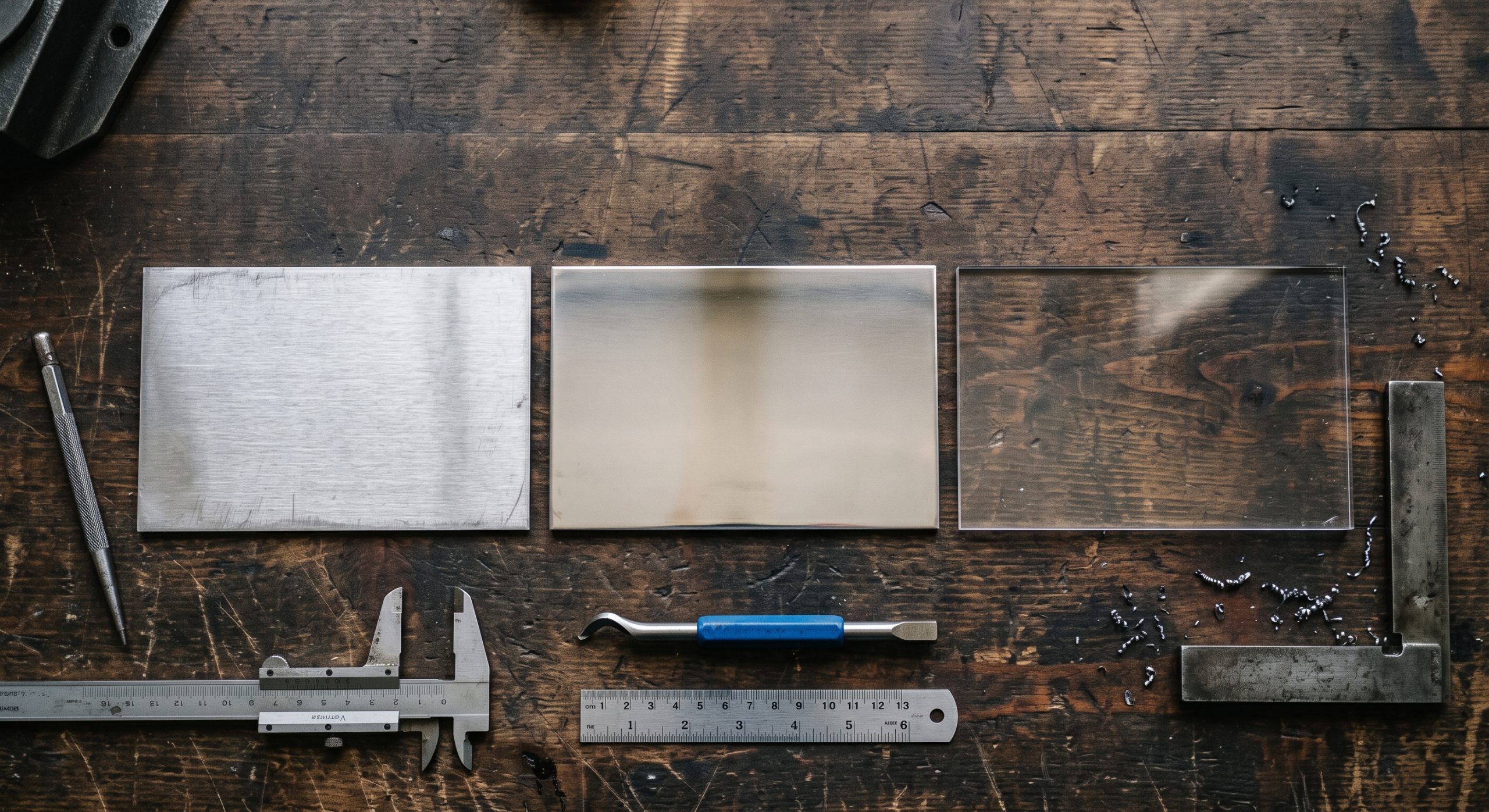
Aluminium, stainless steel and acrylic cover the majority of signage fabrication jobs in the UAE, but each solves a different problem. Choosing between them comes down to four practical questions: what does it need to withstand, how much can it weigh, what finish is expected, and what is the budget. This is a direct, practical comparison for specifiers deciding between the three.
Cost
Acrylic is generally the least expensive per square metre for flat signage faces, followed by aluminium, with stainless steel the most expensive due to material cost, weight and the skilled welding/finishing labour it requires. On a like-for-like dimensional letter set, expect stainless steel to cost noticeably more than an equivalent aluminium set with a premium powder coat or brushed-metal-effect finish, which is why many brands use aluminium with a metallic finish to approximate a stainless look at a lower cost.
Durability
All three perform well when specified correctly, but their failure modes differ. Aluminium resists corrosion but can dent or flex if under-gauged. Stainless steel resists corrosion, impact and vandalism better than either alternative, especially grade 316 in coastal locations. Acrylic resists corrosion by definition (it is not a metal) and is impact-resistant for its weight, but is more susceptible to scratching and, in lower grades, UV yellowing over years of direct outdoor sun.
Weight
Acrylic and aluminium are both light, which matters for wall-mounted signs, suspended installations and tall structures where structural loading and installation cost scale with weight. Stainless steel is roughly three times the density of aluminium, which increases fixing, bracketry and structural support requirements, particularly for large freestanding or elevated signage.
Finish Options
Aluminium accepts powder coating in effectively any RAL colour, anodising, and brushed or textured mill finishes, giving the widest colour and texture range of the three. Stainless steel offers brushed, mirror-polished, bead-blasted and PVD (physical vapour deposition) colour-plated finishes such as gold, bronze or black, which read as distinctly premium and are common in luxury retail and hospitality entrances. Acrylic is available in a wide range of cast colours, frosted/satin finishes, and can be back-painted, but does not offer a true metallic surface finish on its own.
Best Use Cases
| Aluminium | Stainless Steel | Acrylic | |
|---|---|---|---|
| Best for | Facade cladding, channel letters, pylons, general outdoor structures | Premium entrance monuments, luxury retail lettering, high-touch/vandal-prone areas | Illuminated faces, lightboxes, interior dimensional lettering, POS displays |
| Typical cost | Moderate | High | Low-Moderate |
| Weight | Low | High | Low |
| Corrosion resistance | Excellent | Excellent (316 for coastal) | N/A (non-metal) |
| Finish range | Very wide (powder coat/anodise) | Brushed/polished/PVD | Cast colour/frosted/back-painted |
Can They Be Combined?
Many of the best-performing signs mix materials deliberately: an aluminium or ACP backing structure with stainless steel dimensional lettering and an acrylic illuminated face, for instance, on a single monument sign. This lets each material do the job it’s best suited for rather than compromising the whole sign to one material’s constraints.
Frequently Asked Questions
Which is cheaper, aluminium or stainless steel signage?
Aluminium is almost always less expensive than stainless steel, both in raw material and fabrication labour, while still offering excellent outdoor durability.
Can acrylic be used outdoors in the UAE?
Yes, provided it is cast (not extruded) and pre-coloured or UV-stabilised. It is typically used for illuminated faces and lettering rather than structural cladding.
Is stainless steel worth it for a retail storefront?
For luxury and premium retail brands where the entrance signage is a key brand touchpoint, the finish quality and durability of stainless steel, especially PVD-coloured finishes, often justifies the added cost.
Which material is lightest for a large sign?
Acrylic and aluminium are both significantly lighter than stainless steel, which reduces structural support requirements for large or elevated signage.
Weighing up materials for an upcoming project? Contact Metroplus with your sign type, location and budget and we’ll recommend the right material mix.
Recommended Posts
LED Signage Retrofit: Repair or Replace Your Lighting
Should you repair, retrofit or replace an illuminated sign? An unlit or uneven sign does not always need complete replacement. It may need a local rep...

Signage Vendor Checklist for Architects and Consultants
A signage vendor checklist for architects and consultants Selecting a signage vendor requires more than comparing a finished photograph and a lump-sum...