
Multi-Site Retail Signage Rollouts Across the UAE
Metroplus delivers signage rollouts across multiple stores, malls and cities for retail and F&B brands expanding in the UAE, coordinating survey, production and installation across every location from a single point of contact.
How a rollout is coordinated
- Site survey: each location is measured and photographed to confirm sign sizes, mounting conditions and mall or landlord approval requirements before production starts
- Standardised production: signs are fabricated to one approved brand specification across all locations, so finish, colour and illumination stay consistent from the first store to the last
- Landlord and mall approvals: fascia and signage submissions are prepared per mall or developer requirements, since approval formats differ between operators
- Phased installation scheduling: installations are sequenced around store opening dates, mall access hours and any live-trading constraints
- Single point of contact: one project team tracks status across every site, rather than each location being quoted and managed separately
Where this applies
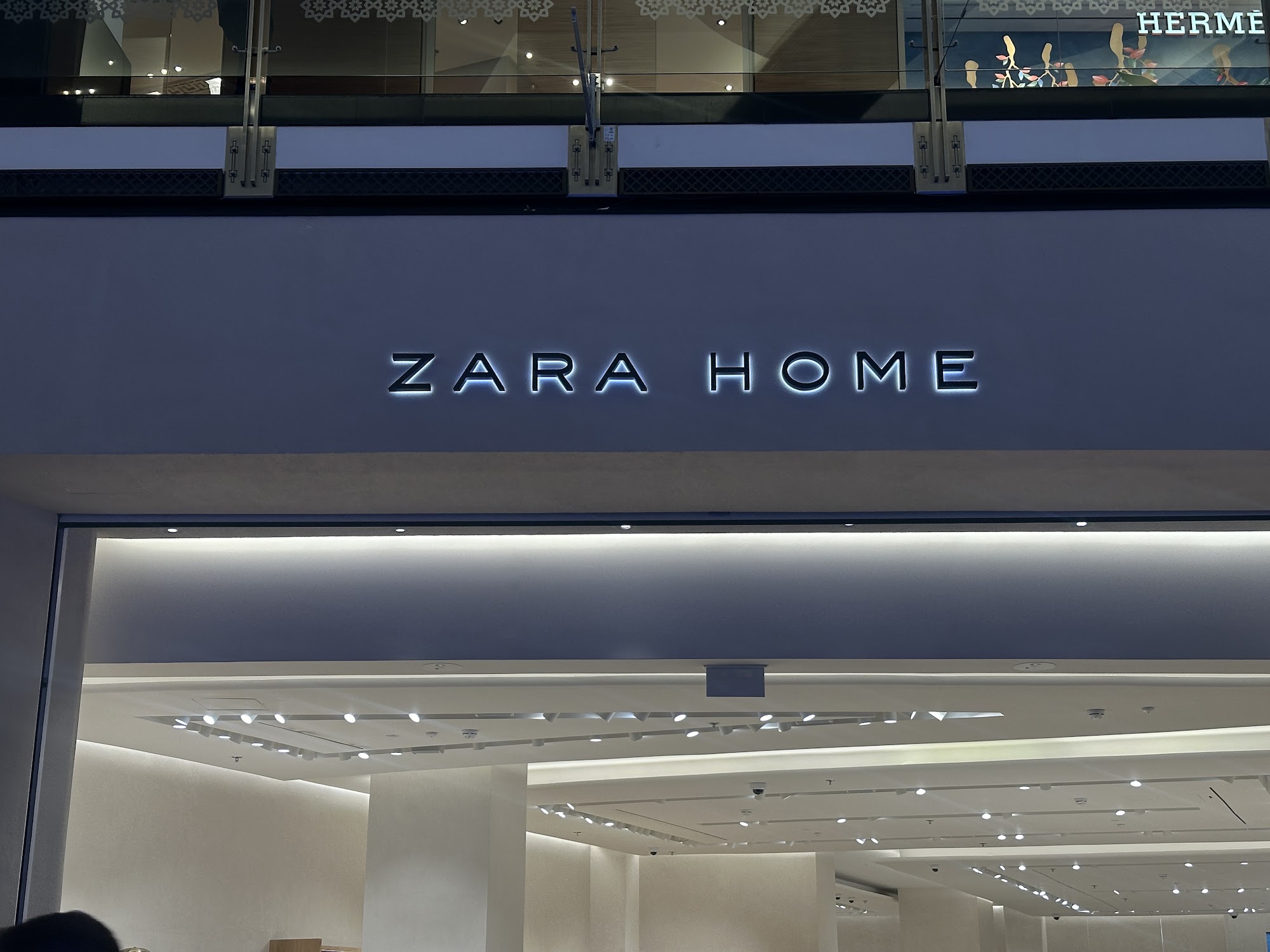
Multi-site rollout coordination has been used across retail and F&B storefront projects at Mall of the Emirates, The Dubai Mall and other UAE locations, covering illuminated fascia signage, storefront branding and in-mall directory presence. See Retail Signage Solutions for the individual sign types involved, and our project gallery for completed storefront work.
Planning a rollout
Share your store count, locations and target opening dates and our team will scope a rollout programme with a standardised sign schedule and a phased installation plan. Contact us to start planning a multi-site rollout.
For a real example of this in practice, see our case study: Multi-Brand Retail Rollouts Across Dubai’s Leading Malls.
Rollout Governance: Running One Master Schedule
The single biggest difference between a well-run multi-site rollout and a chaotic one is whether every location is tracked against one master schedule or managed as a series of separate, disconnected projects. On a 10-20 store rollout, a master schedule tracks, per site: survey date, landlord approval status, drawing revision number, production slot, and installation window. When one mall’s approval runs long, the schedule shows immediately whether that affects the overall rollout timeline or can be absorbed without delaying other openings.
Cost Efficiencies From Standardisation
Beyond consistency of appearance, standardising a sign specification across every location in a rollout reduces cost in several concrete ways:
- Bulk material procurement — ordering acrylic sheet, aluminium extrusion, LED modules and vinyl in rollout-wide quantities rather than per-store reduces unit material cost
- Repeatable production setup — CNC and fabrication jigs set up once for an approved sign type are reused across every location instead of being reconfigured per store
- Fewer design-revision cycles — a single approved brand specification, once signed off, is submitted to each mall or landlord with only site-specific dimensions changing, rather than redesigning per location
- Consolidated logistics — grouping installation crews and delivery schedules by geographic cluster reduces mobilisation cost per site
Common Pitfalls in Multi-Site Rollouts
Rollouts that run into trouble tend to share the same root causes, most of which are avoidable with the right planning up front:
- Assuming every mall’s approval process is the same — fascia dimension limits, illumination rules and submission formats genuinely differ between Dubai Mall, Mall of the Emirates, Nakheel Mall and other developers, and each needs its own submission prepared correctly the first time
- Treating store opening dates as fixed when landlord handover dates can shift — building schedule buffer into the rollout plan avoids installation crews being mobilised before a unit is actually ready
- Under-specifying at the brand-standard stage — if the master sign specification does not account for unit-to-unit variation (ceiling height, shopfront width, structural differences), each site ends up needing a bespoke fix late in the process
- Losing visibility across sites — without a single point of contact and shared schedule, delays at one location are often discovered too late to manage around
Frequently Asked Questions
How many stores can be rolled out at once?
We have coordinated rollouts ranging from five to more than thirty-five storefronts across multiple malls simultaneously. The schedule is phased so production and installation capacity is never a bottleneck, regardless of rollout size.
Does every location need its own landlord approval, even with an approved brand standard?
Yes. Most malls and developers require a location-specific submission even when the sign design itself is pre-approved as a brand standard, because dimensions, wall condition and fascia zone differ by unit.
What if store opening dates change mid-rollout?
Because every site sits on the same master schedule, a shifted opening date at one location is visible immediately and production or installation slots can be reallocated without disrupting other sites in the rollout.
Can Metroplus manage rollouts outside Dubai as well?
Yes, multi-site coordination extends across the UAE, including Abu Dhabi, Sharjah and other emirates, with the same single-point-of-contact model and standardised production approach.
See Also
For a mall-specific example of this in practice — including brand-by-brand approval coordination across Dubai’s leading malls — see our case study: Multi-Brand Retail Rollouts: Signage Across Dubai’s Leading Malls.
Recommended Posts
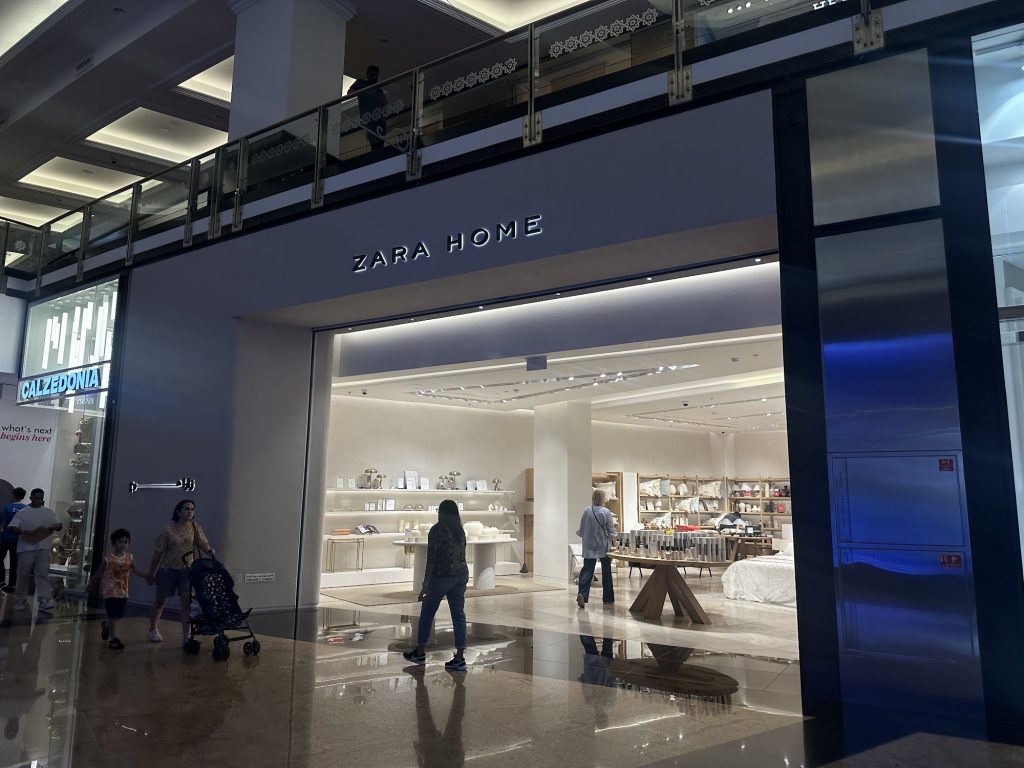
Multi-Brand Retail Rollouts: Signage Across Dubai’s Leading Malls
Multi-Brand Retail Rollouts: Signage Across Dubai’s Leading Malls Delivering signage for a single storefront is one discipline. Delivering it consis...
How to Audit Signage Across a Retail Rollout
Once a retail brand has more than a handful of locations, signage consistency stops being a design question and becomes a governance question. A logo ...